New England Aster
New England Aster (Symphyotrichum novae-angliae)
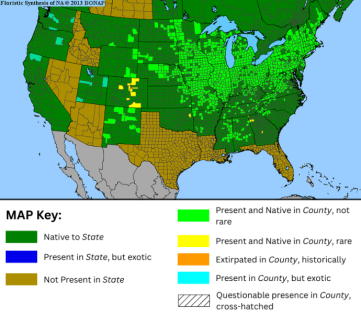
Range: Symphyotrichum novae-angliae is native across most of eastern and central North America, from southeastern Canada to the Gulf of Mexico and west to the Rocky Mountains.
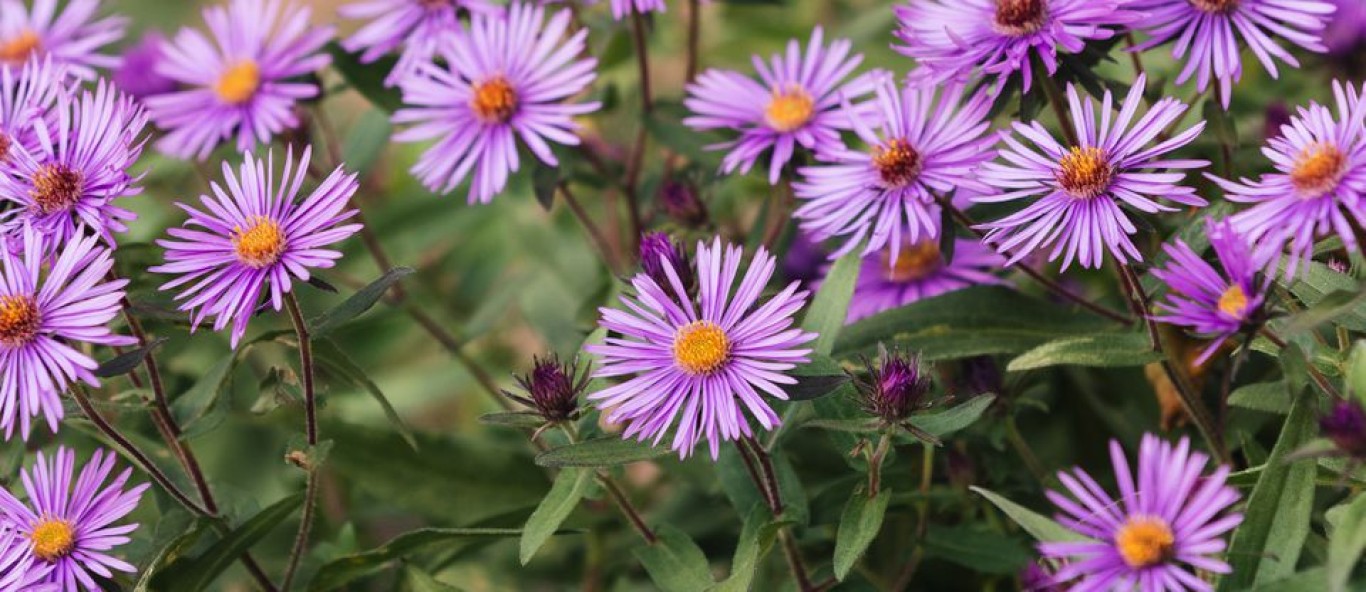
Description & Impact: This perennial is typically 3–6 feet tall, forming large clumps via rhizomes and by self-seeding. The stems are rigid densely hairy, with alternate, lance-shaped leaves up to 4 inches long. Flowers are large, daisy-like heads about 1½ inches wide, with 40+ bright purple, pinkish-purple, or pale lavender ray florets surrounding a yellow (sometimes orange) central disk. This plant blooms from late summer through late October, often closing at night and reopening during the day. This plant provides one of the most reliable late-season nectar sources for migrating monarch butterflies, native bees, and other pollinators. It serves as a larval host plant for pearl crescent and silvery checkerspot butterflies.
Plant Medical History: Native American tribes used various aster species for a wide range of purposes. New England aster was often burned in Inipi (sweat lodge) ceremonies to revive the unconscious, treat mental illness, nosebleeds, headaches, and congestion. Smoke from the plant was also used for smudging and as an additive to kinnickinnick (smoked tobacco) mixtures. Dried blossoms were snuffed or inhaled as steam for similar respiratory effects. Aster tea was prepared to ease earaches, relieve gas pains, stomach aches, and fevers. In the 19th-century, it was recommended for many eruptive skin diseases and to remove skin issues caused by certain plants, like poison ivy.
Cultivation & Garden Use: The New England aster grows well in zones 3–8, is tolerant of moist, well-drained, or temporarily wet soils, and can become moderately drought-tolerant once established. It thrives in full sun but is tolerant of partial shade. It is valued in native plant gardens, prairie restoration, wetland plantings, and roadside landscaping for its showy fall color and ecological benefits. It is both deer and rabbit-resistant, making it suitable for areas with browsing pressure. Its deep taproot helps build soil structure and improve drainage.